
The city outside the city
Governance and growth on the urban periphery
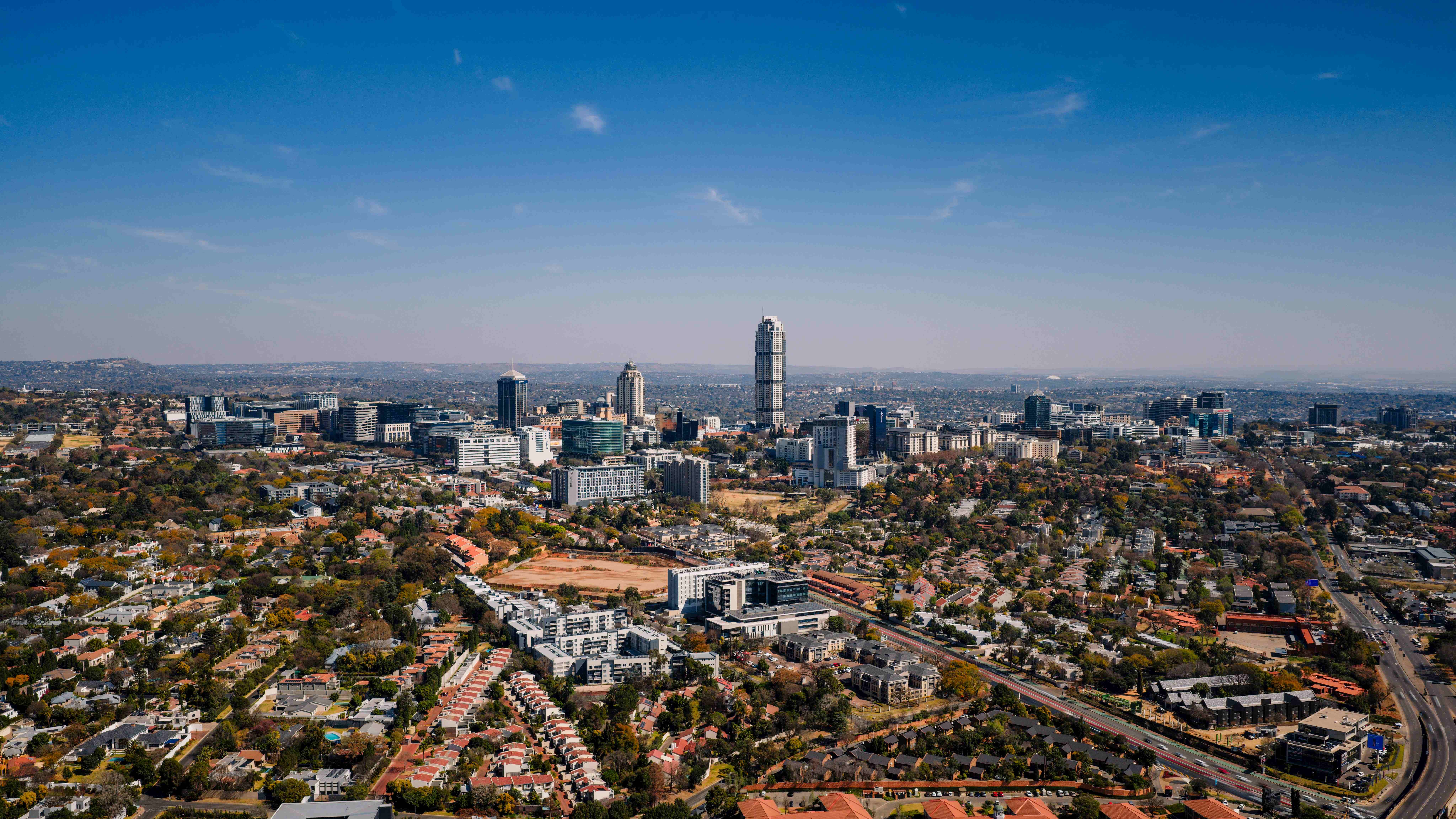
This article argues that a growing number of South Africans are creating a “city outside the city” by settling in low-density, peri-urban areas on land governed by traditional authorities, where housing is self-built and land is accessed through informal or customary systems rather than formal title. These settlements are thriving, with active property markets and significant private investment, reflecting an aspirational alternative to formal urban housing, but they operate largely outside municipal planning, taxation, and service systems. This creates a looming governance crisis marked by weak infrastructure, unclear authority between the state and traditional leaders, and a “fiscal exit” from municipal revenue systems. The authors contend that this phenomenon challenges conventional urban planning models, particularly the compact city ideal, and call for a major policy shift to recognise, better understand, and integrate these rapidly expanding but largely invisible forms of urban development.
Abstract based on original source.


Comments