
The Missing People of State-Subsidised Housing
Lived Experiences of Non-Occupancy and Secondary Residential Mobility
21 July 2025
International Journal of Urban and Regional Research
English
Journal article
Africa
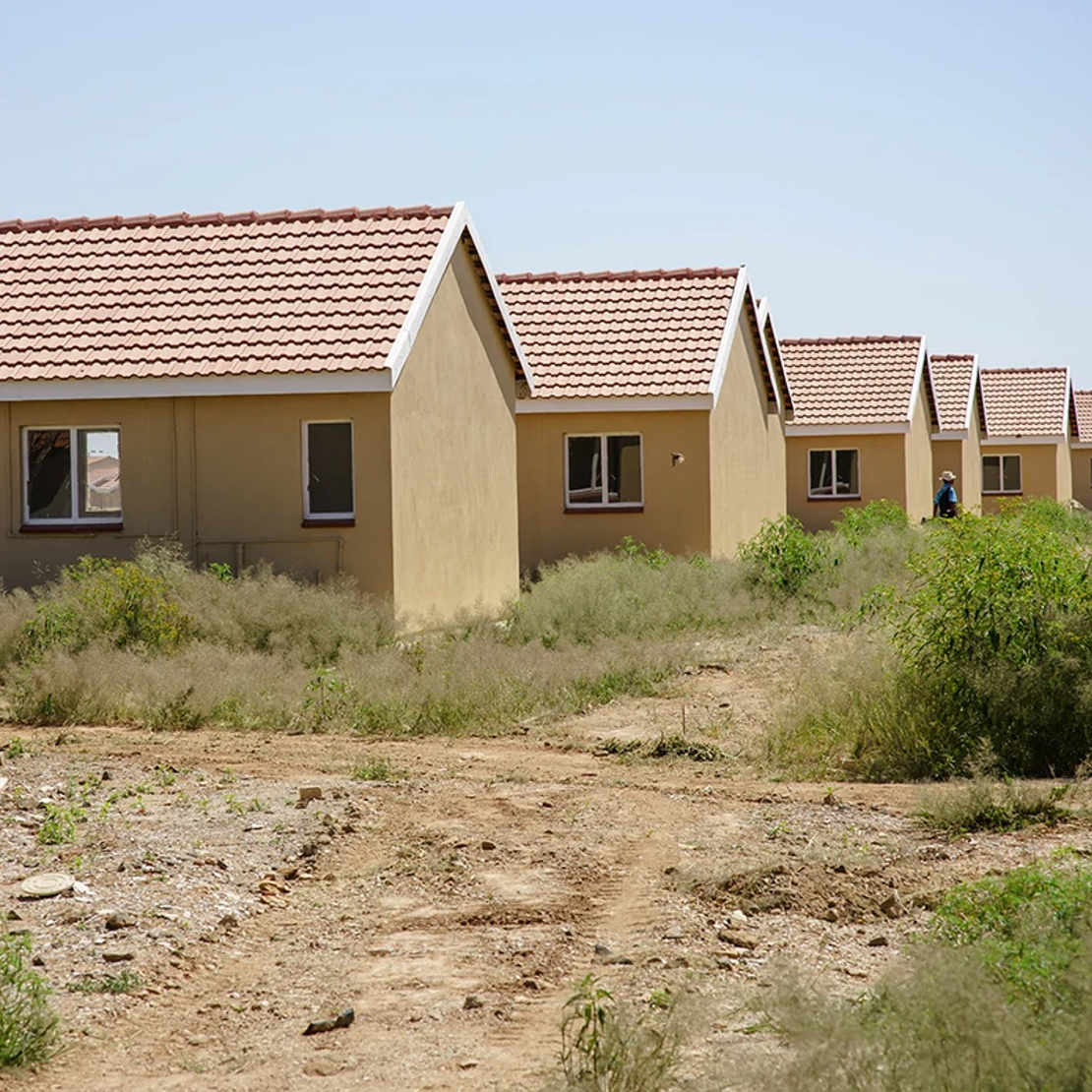
The article examines why large-scale, state-subsidised housing programmes in Africa often fail to house their intended beneficiaries. It focuses on people who either never move into, or later leave, subsidised housing units due to problems such as unaffordability, poor locations, limited choice, and inadequate services. Using a comparative study of housing programmes in Ethiopia, Morocco, and South Africa, the article traces the housing pathways of these “missing people” to understand where they go and why they leave. Rather than viewing this solely as displacement or gentrification, the author argues that beneficiaries actively make housing decisions to adapt supply-driven policies to their needs, even as they remain constrained by financial pressures.
Sourced from African Urban Planning Research Network (AUPRN)
Abstract based on original source.


Comments