
Revisiting the capacity of social housing delivery in South Africa
An institutional and comparative analysis
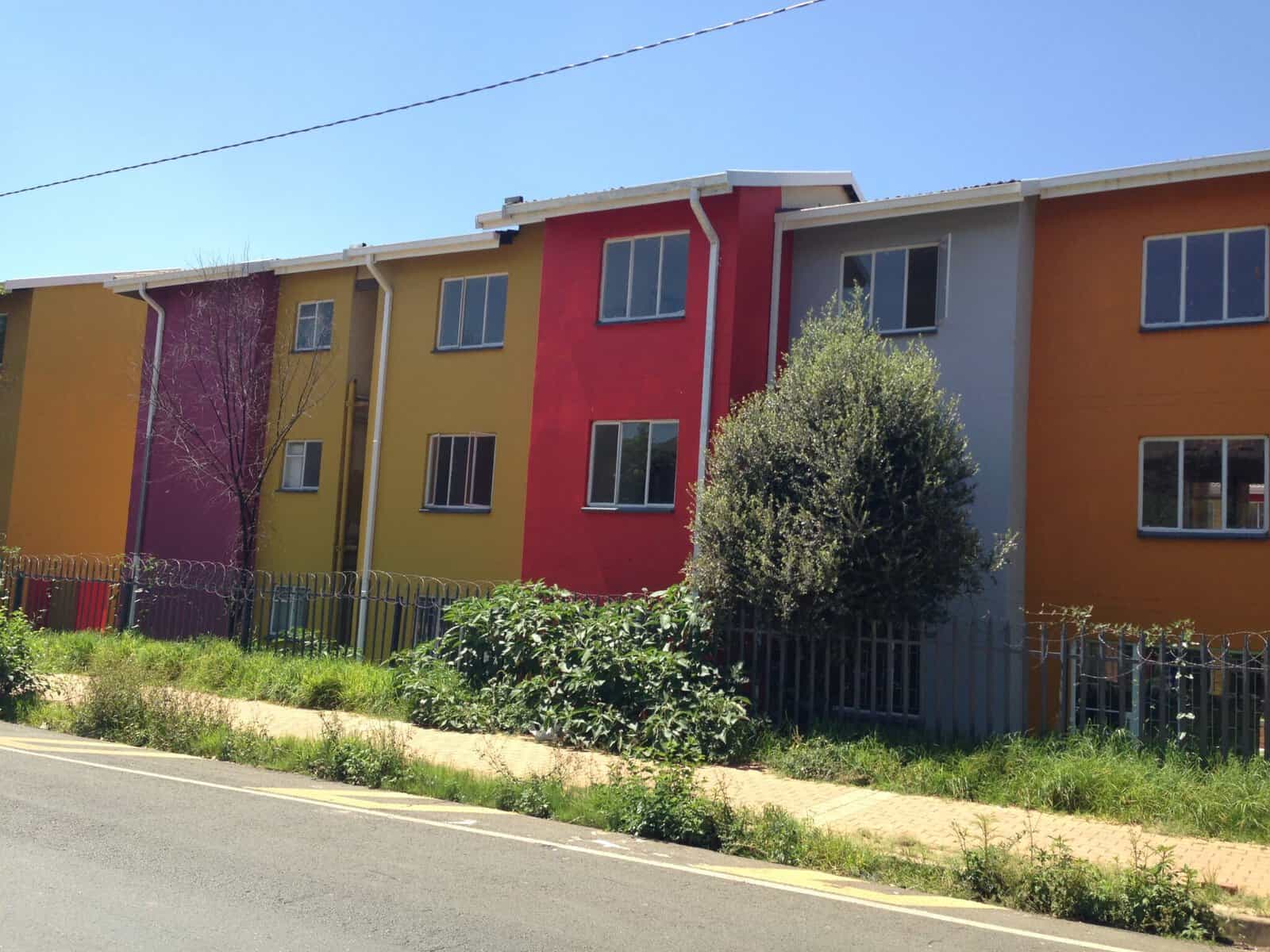
This article reviews the evolution of social housing delivery in South Africa from the early 2000s to 2026, examining the performance of Social Housing Institutions (SHIs) and the broader housing system. It compares South Africa’s social housing sector with successful non-profit housing models in the Netherlands, Austria, and the United Kingdom to understand why those systems have achieved much larger scales of delivery. The author analyses the sector using institutional, housing regime, and developmental-state theories, while assessing trends in delivery, governance, affordability, and capacity. The discussion identifies key challenges affecting the sector, including limited funding, rising municipal service costs, shortages of well-located land, and uneven institutional capacity among housing providers. The article concludes by outlining policy reform measures aimed at expanding social housing delivery and supporting the development of an additional 60,000 social housing units over the next decade.
Abstract based on original source.


Comments