
Socially inclusive infrastructure for disaster risk reduction in urban planning
Insights from the SADC region
16 May 2025
Michael Max Bühler
English
Journal article
Africa, Asia, Europe, South America
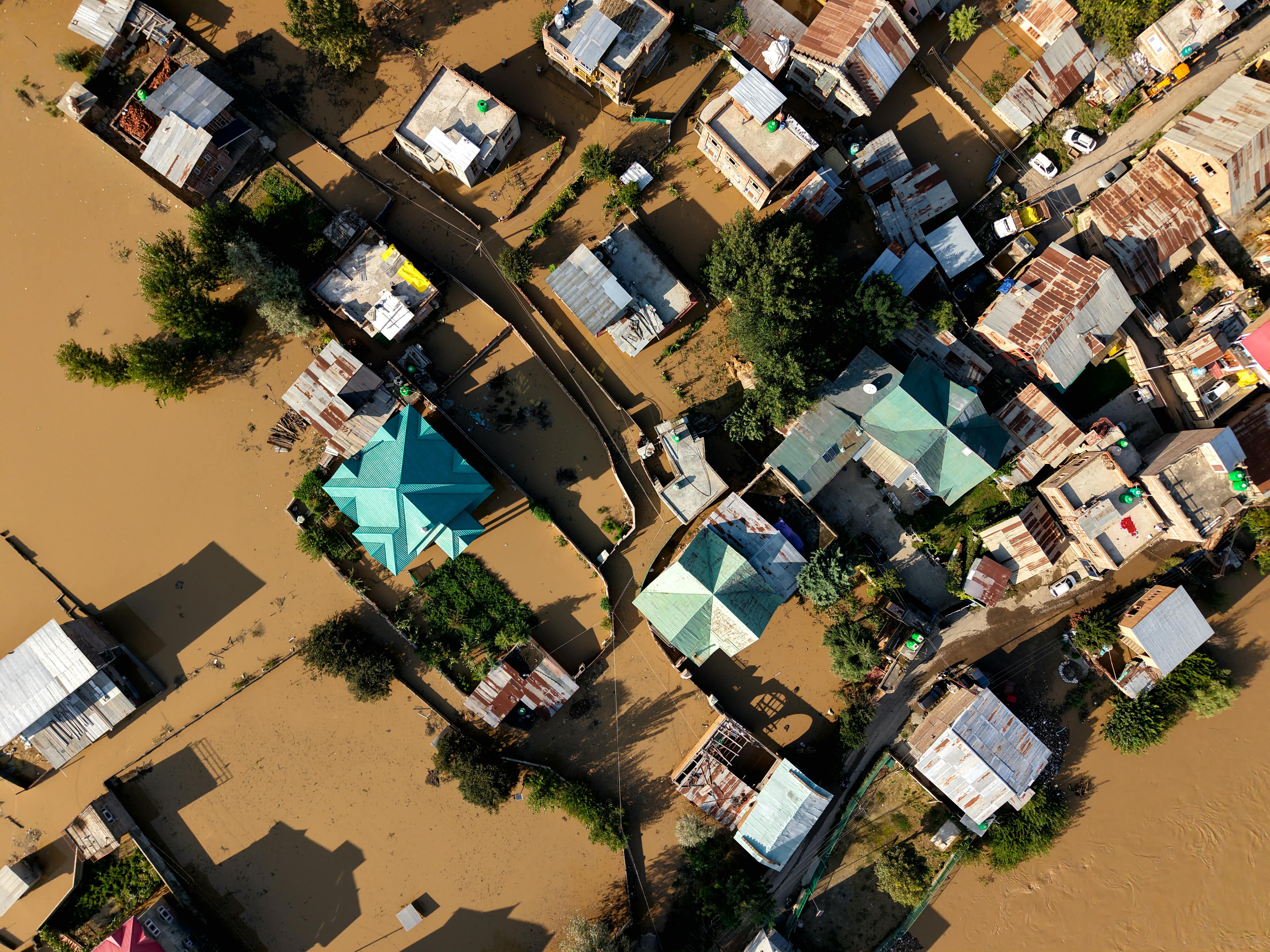
This article examines how urban planning in the Southern African Development Community (SADC) region can better reduce disaster risks while addressing deep social inequalities by prioritising socially inclusive infrastructure. It argues that rapid, often unplanned urbanisation combined with climate change has left poor and marginalised communities disproportionately exposed to floods, heatwaves, and other hazards. Using qualitative analysis and case studies from Southern Africa and other parts of the Global South, the authors show that although equity and disaster risk reduction (DRR) are widely promoted in policy, they are weakly implemented in practice due to limited community participation, fragmented governance, institutional silos, and resource constraints. The article calls for a shift toward participatory, equity‑centred, and future‑oriented urban planning that integrates DRR, local knowledge, and social justice, concluding that resilient cities can only be achieved if infrastructure development actively includes and protects the most vulnerable populations.
Abstract based on original source.


Comments