
Building fairer, safer cities in Southern Africa with equity and resilience
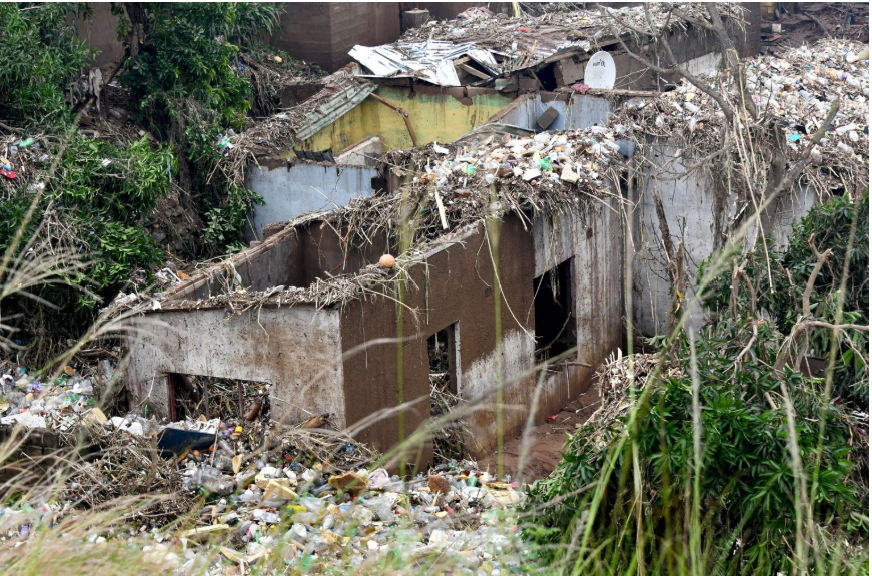
This article discusses how rapid and poorly planned urbanisation in Southern Africa has intensified social inequality and left vulnerable communities particularly those in informal settlements highly exposed to climate‑related disasters such as floods and storms. Using the 2022 KwaZulu‑Natal floods as a key example, the article shows how inadequate infrastructure, unsafe settlement locations, and weak early‑warning systems resulted in severe loss of life, displacement, and economic damage, with the poorest residents suffering the worst impacts. The article argues that building fairer and safer cities requires integrating social equity with disaster risk reduction in urban planning, rather than treating them as separate priorities. It highlights shortcomings such as tokenistic community participation, fragmented urban governance, displacement caused by large infrastructure projects, and the neglect of local knowledge. The article concludes that genuinely resilient cities must prioritise inclusive infrastructure, meaningful involvement of marginalised communities, and planning approaches that centre the needs of the most vulnerable in order to address both climate risk and inequality at the same time.
This was based on the paper Socially inclusive infrastructure for disaster risk reduction in urban planning: insights from the SADC region.
Abstract based on original source.


Comments