
Harare Slum Upgrading Programme
A community-driven approach to urban reform
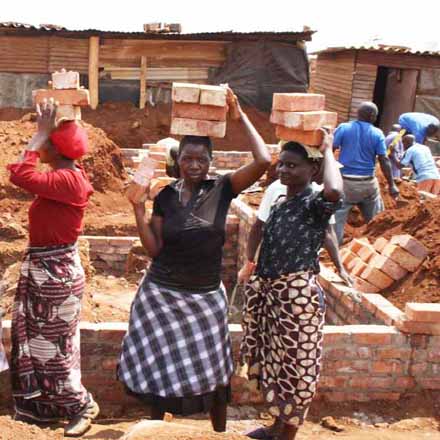
This case study examines the Harare Slum Upgrading Programme (HSUP), a community-driven initiative implemented between 2010 and 2015 that sought to address Harare’s housing crisis by shifting from eviction-based approaches to participatory, co-produced informal settlement upgrading. It documents how organised communities, the City of Harare and civil society partners collaborated to map and profile informal settlements, secure tenure, support incremental housing, and introduce innovative pro-poor financing through the Harare Slum Upgrading Finance Facility. Set within a complex political and institutional context, the case study highlights both the programme’s achievements and its limitations. Achievements include strengthened citizen–state relationships, improved housing and services, and influence on policy. At the same time, the programme faced constraints such as fragile institutionalisation and political challenges. Together, these experiences demonstrate how inclusive governance and community-led planning can catalyse meaningful urban reform in African cities.
Abstract based on original source.


Comments