
Lessons from South Africa on how parks and community gardens can help cities adapt to climate change
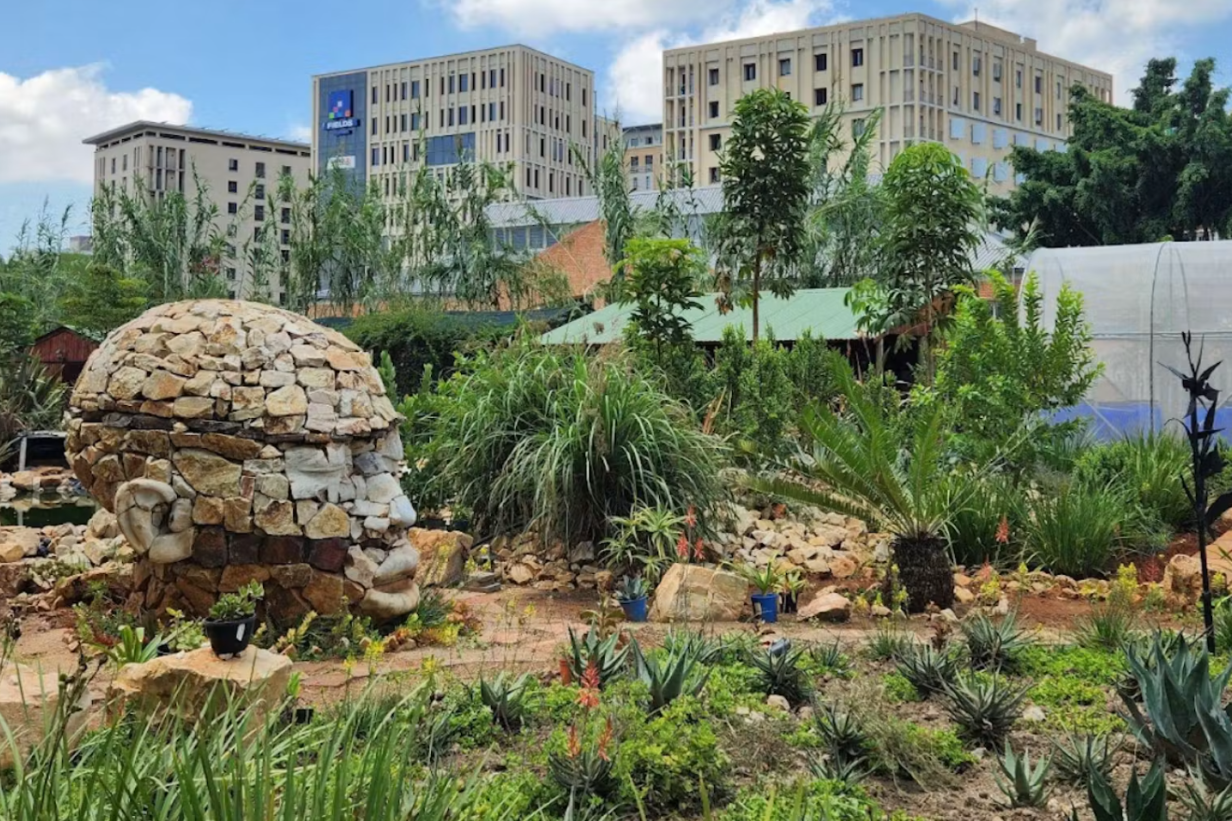
This article highlights the critical role that parks, community gardens, and other green public spaces play in helping cities adapt to climate change by delivering both environmental and social benefits. It argues that these spaces function as vital forms of green and social infrastructure, reducing urban heat, managing flood risks, supporting food security, and strengthening community networks. Drawing on case studies from Tshwane, South Africa, the article demonstrates that the most effective climate adaptation outcomes emerge when public spaces are co-created and managed with local communities, fostering a sense of ownership, social inclusion, and collective resilience. Ultimately, the article emphasises that urban climate resilience depends not only on physical infrastructure but also on community-driven public spaces that promote environmental sustainability, social well-being, and equitable urban development.
Abstract based on original source.



Comments